

wall mounted bathroom mirror
How to Open a Water Valve A Comprehensive Guide Opening a water valve may seem like a simple task, but it is essential to understand the different types of valves and the proper techniques involved in ensuring that water flows safely and efficiently. Whether you’re dealing with a valve in your home plumbing system, an irrigation system, or an industrial setting, knowing how to open a water valve correctly can save you time and prevent unwanted water wastage or damage. Here’s a detailed guide to help you with this process. Understanding Water Valves Water valves come in various shapes and sizes, and they serve multiple purposes. The most common types include gate valves, ball valves, globe valves, and check valves. Each type functions differently - Gate Valves These valves are primarily used for on/off control and have a gate mechanism that opens and closes by lifting or lowering. - Ball Valves These valves use a spherical disc to control the flow. They provide a tight seal and are quick to open or close. - Globe Valves Known for their throttling capability, globe valves are used to regulate flow. They have a spherical body which gives them their name. - Check Valves These valves allow fluid to flow in one direction and prevent backflow, often found in drainage systems. Tools You Might Need Before you open a water valve, make sure you have the necessary tools at hand. Depending on the type of valve, you may need - A wrench or pliers (for gate and globe valves) - A hand crank (for some larger valves) - A bucket or towel (to catch any leaking water) - Safety goggles (to protect your eyes in case of sudden water flow) Steps to Open a Water Valve 1. Identify the Valve Type Before attempting to open any valve, identify which type you are dealing with . This will determine the method you should use. how to open a water valve 2. Turn Off Supply (if necessary) If you are working on a system that could cause flooding or excessive water flow, it’s prudent to shut off the main water supply before proceeding. 3. Inspect the Valve Before you attempt to open the valve, examine it for any visible damage, corrosion, or signs of wear. This inspection helps prevent issues when opening. 4. Use the Correct Method - Gate Valve To open a gate valve, turn the handle or wheel counterclockwise until it stops. This may require some force if the valve hasn’t been operated in a long time. - Ball Valve Simply turn the lever or handle 90 degrees (a quarter turn) counterclockwise to open. If the valve is difficult to move, apply some lubricant and try again. - Globe Valve Rotate the valve handle counterclockwise. Unlike gate valves, globe valves may need several turns to fully open or close. - Check Valve These valves typically do not require manual opening or closing as they operate automatically; ensure that it is functioning as intended by checking the line flow. 5. Check for Leaks After the valve is opened, inspect the area around the valve for any leaks. If water is seeping from the joints, you may need to tighten them or replace the valve. 6. Final Checks Once you’re confident that everything is working properly, monitor the flow of water to ensure that it’s operating as expected. Safety Considerations Always keep safety in mind while working with water valves. Be sure the area is dry, wear appropriate safety gear, and never attempt to force a valve that feels stuck. If the valve is too corroded or damaged, consider calling a professional plumber for assistance. Conclusion Opening a water valve may be a simple task, but understanding the type of valve, using the right tools, and following proper procedures is crucial for a successful operation. By following the steps outlined in this guide, you can efficiently manage your water systems and prevent common mishaps. Always remember, when in doubt, consult a professional to ensure safety and efficacy in your plumbing tasks.
about
wall mounted bathroom mirror
The Art of Nail Plate Stamping A Guide to Creative Nail Designs Nail art has evolved significantly over the years, becoming a popular form of self-expression for many. Among the various techniques available, nail plate stamping stands out as a fun and effective way to achieve intricate designs without the need for advanced skills. This method combines creativity, convenience, and versatility, making it an appealing option for both beginners and seasoned nail artists. Nail plate stamping involves the use of a metal plate engraved with various designs, patterns, and images. The process begins by selecting a design from the stamping plate. These plates come in a wide array of themes, from florals and geometric shapes to intricate lace patterns and holiday motifs. The excitement lies in the endless possibilities; nail enthusiasts can mix and match designs to create their own unique looks. To get started with nail plate stamping, one will need a few essential tools a stamping plate, a scraper, a stamper, and nail polish. The choice of nail polish is crucial; it should be thick and opaque to ensure a clear transfer of the design. Special stamping polishes are available, designed specifically for this purpose, but any polish that meets the criteria will work. The process is relatively simple. First, a base coat is applied to the nails, followed by a colored nail polish of choice. Once the base color is dry, the next step is to prepare the stamping plate. Apply a thin layer of nail polish over the desired design on the plate, and quickly use the scraper to remove the excess polish, leaving the design filled in. The stamper is then pressed onto the design, picking it up in the process. Finally, the stamper is rolled over the nail, transferring the image onto the polished surface. nail plate stamping One of the primary advantages of nail plate stamping is the speed it offers. Traditional nail art can be time-consuming, requiring steady hands and significant practice . Stamping, on the other hand, allows for a polished look in just a fraction of the time. As a result, it is perfect for those who wish to achieve professional-looking nails in their own home. Furthermore, nail plate stamping is highly versatile. With an array of stamping plates available, nail artists can change their nail designs as often as they like. This adaptability means that individuals can coordinate their nails with their outfits, celebrate holidays, or embrace seasonal trends effortlessly. As the popularity of nail art continues to grow, new design plates are regularly introduced, offering even more options for creative expression. However, like any art form, nail plate stamping does require practice to master. It may take a few attempts to perfect the technique, from getting the right amount of polish on the plate to learning how to position the stamper correctly. Patience is key, and those who continue to practice will find themselves improving with each try. In conclusion, nail plate stamping serves as an exciting avenue for artistic expression in the realm of nail art. Its combination of ease, versatility, and creativity makes it an attractive option for anyone looking to enhance their nail game. Whether you are preparing for a night out, a special occasion, or simply a day at home, nail plate stamping offers a delightful way to showcase your personality and style through your nails. The only limit is your imagination, so grab a stamping plate, and let your creativity shine!
-

High quality industrial productsagement

High quality industrial products
View Details -

Meet the diverse needs of customers

Meet the diverse needs of customers
View Details -

Strict quality control

Strict quality control
View Details -

Top raw materials

Top raw materials
View Details -

Trusted supplier

Trusted supplier
View Details
Our application


news and information
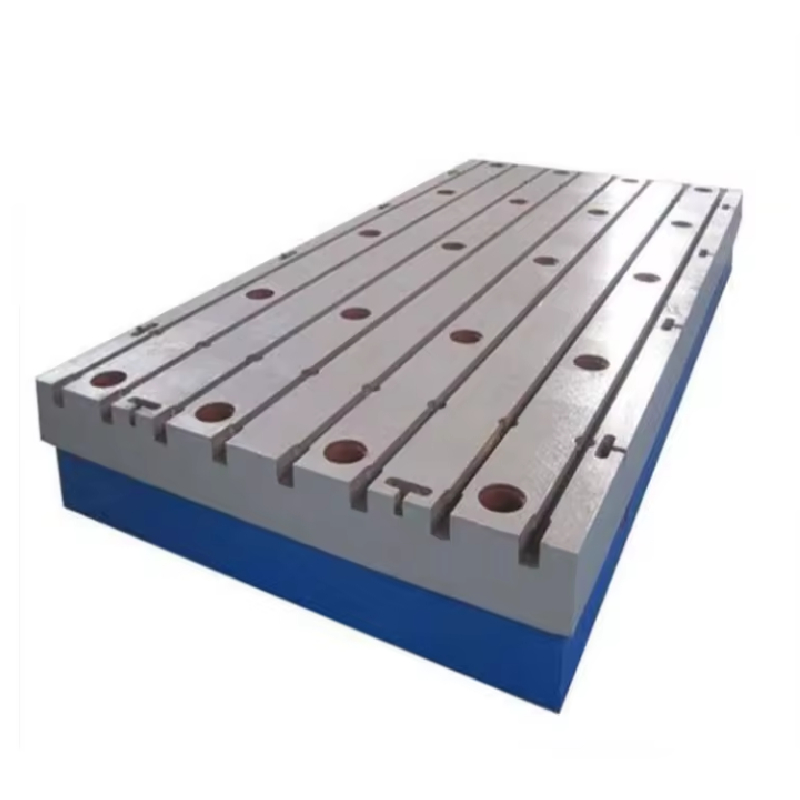
Versatile 3D Welding Table for Precision Fabrication and Efficient Workflow Solutions
The Advantages of a 3D Welding Table in Modern Fabrication In today’s fast-paced manufacturing envir
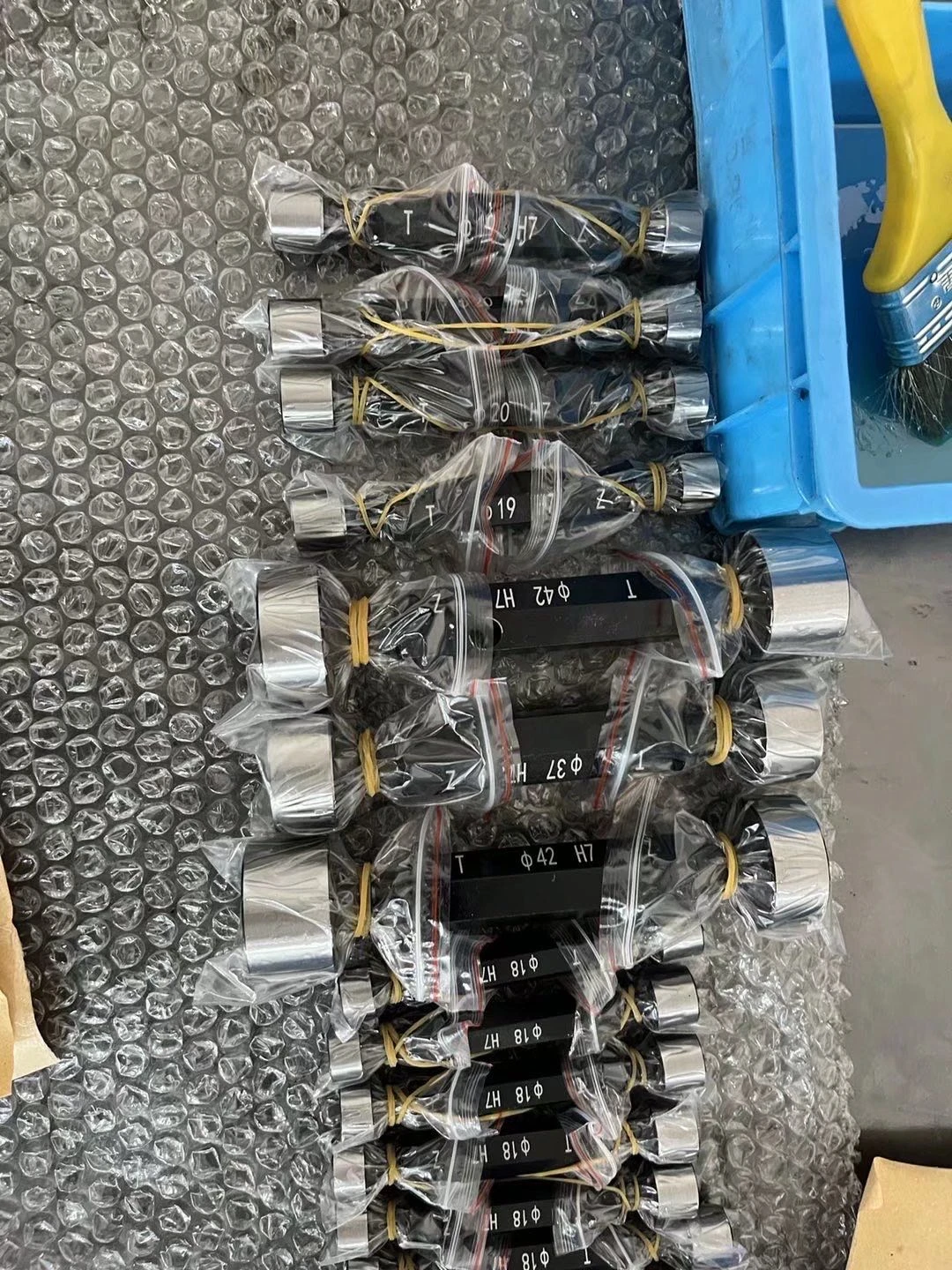
Using a Horizontal Spirit Level for Accurate Measurements in Construction Projects
Understanding the Horizontal Spirit Level A Guide to Precision and Accuracy In the realms of constru
Versatile 3x4 Welding Table for Precision Projects and Durable Fabrication
3x4 welding table .
 English